






Discover wildflowers
Perennial and biennial native and hardy plants selected to help wildlife, grown seasonally and trialled in my Exeter garden.
Native and other hardy wildlife-friendly plants are grown in my urban wild garden and a community garden space in Exeter, where they tough it out to grow at their own pace. I grow them from seed from Emorsgate and Naturescape and, increasingly, from seeds collected from my garden-established flowers, as well as cuttings and some division. They are trialled in my garden and are suitable for small to medium spaces.
£4 individual plants in 9cm pot
£7 mix of 5 wildflower seedling plugs
Plants are available at different times of the year, depending on when and how they germinate, and how fast they grow from seed, cuttings or division. They are grown and supplied in peat-free, pesticide-free compost in biodegradable or upcycled packaging.
Browse the catalogue and email me to pre-order for free delivery (Exeter area).
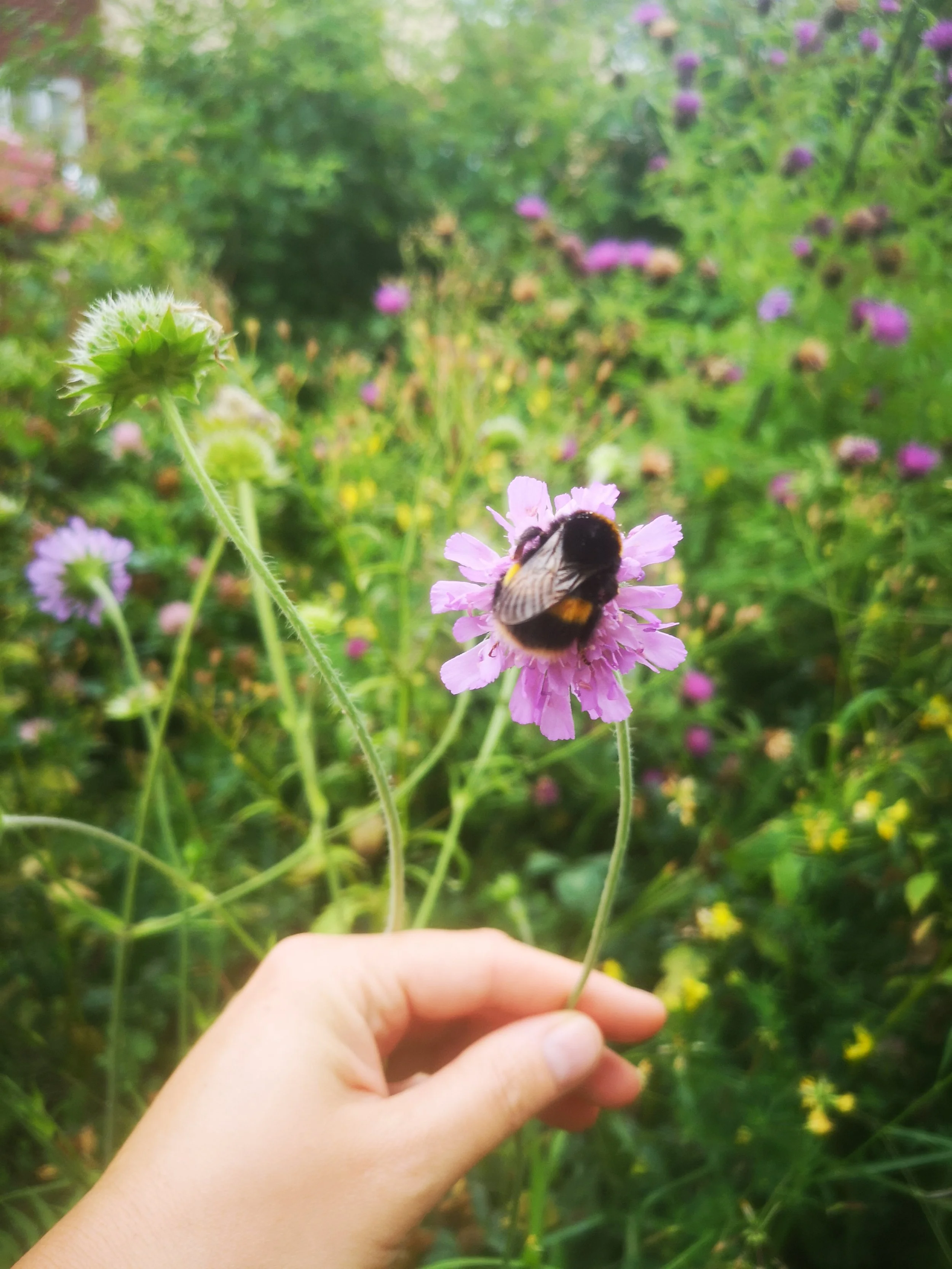
Native wildflowers in your garden can provide caterpillar food as well as nectar and pollen, and seeds: helping a wide diversity of insects, as well as birds and hedgehogs.
Wildflowers’ delicate beauty means they can blend with other plants or create a meadow effect when planted together, existing happily in your pesticide-free garden space.
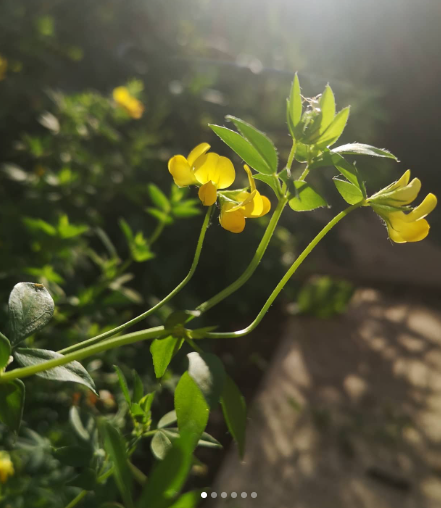
Did you know that birdsfoot trefoil is drought tolerant and suitable for a container, while also being the caterpillar of the common blue butterfly and six-spot burnet moth?
Or that a pack of five ‘plug’ (seedling) plants including musk mallow and ox-eye daisy are an achievable way to make a mini meadow effect?
How about shade-tolerant wildflowers like red campion being just as happy at the back of a border as they are in a hedgerow?
Or that you can enjoy the cowslips and primroses you read about or saw as a child in your own garden? (Keep an eye out for the fairies!)
Many perennial wildflowers are happy in conventional flower borders where they don’t have to compete with grasses. They can mix in with other plants or form butterfly-friendly nectar blocks.
Try them in containers, planters, wild patches, mix them in with non-native plants or plant one variety in a block to create a butterfly-friendly nectar station.
Wildflowers in gardens
Wildflowers and insects have evolved together, benefitting each other and forming part of our vital web of life, providing us with health benefits, stories and wonder along the way.
Other pollinator-friendly plants and shrubs (non-natives) can provide nectar, colour, and scent throughout the year but did you know that some native wildflowers are the only plants that butterflies and moths will lay eggs on, and that provide nutritious pollen for endangered wild bees?
Butterfly Conservation and other wildlife charities including the RSPB recommend increasing native plants in gardens to provide breeding habitat and natural food to help reverse the biodiversity crisis.
Since the 1930s, over 97% of wildflower meadows have been lost but excitingly, we can influence what happens in our own green spaces. Our gardens make up half a million hectares acres across the UK: the equivalent of 70,000 football pitches and a significant chunk of space compared to farmland.
Over time, our locally-adapted wildflowers can increase in our gardens and beyond, helping wildlife and building up a seed bank with a healthy genetic mix.
Wildflower conservation
“Native plants are the basic ingredients which turn your garden into a rich habitat for wildlife.”
— Chris Baines, How to Make a Wildlife Garden, 1985, 2000 Frances Lincoln Ltd