



Birdsfoot trefoil
Botanical name: Lotus corniculatus
Folk names: Eggs and bacon, love entangled
Type: Perennial
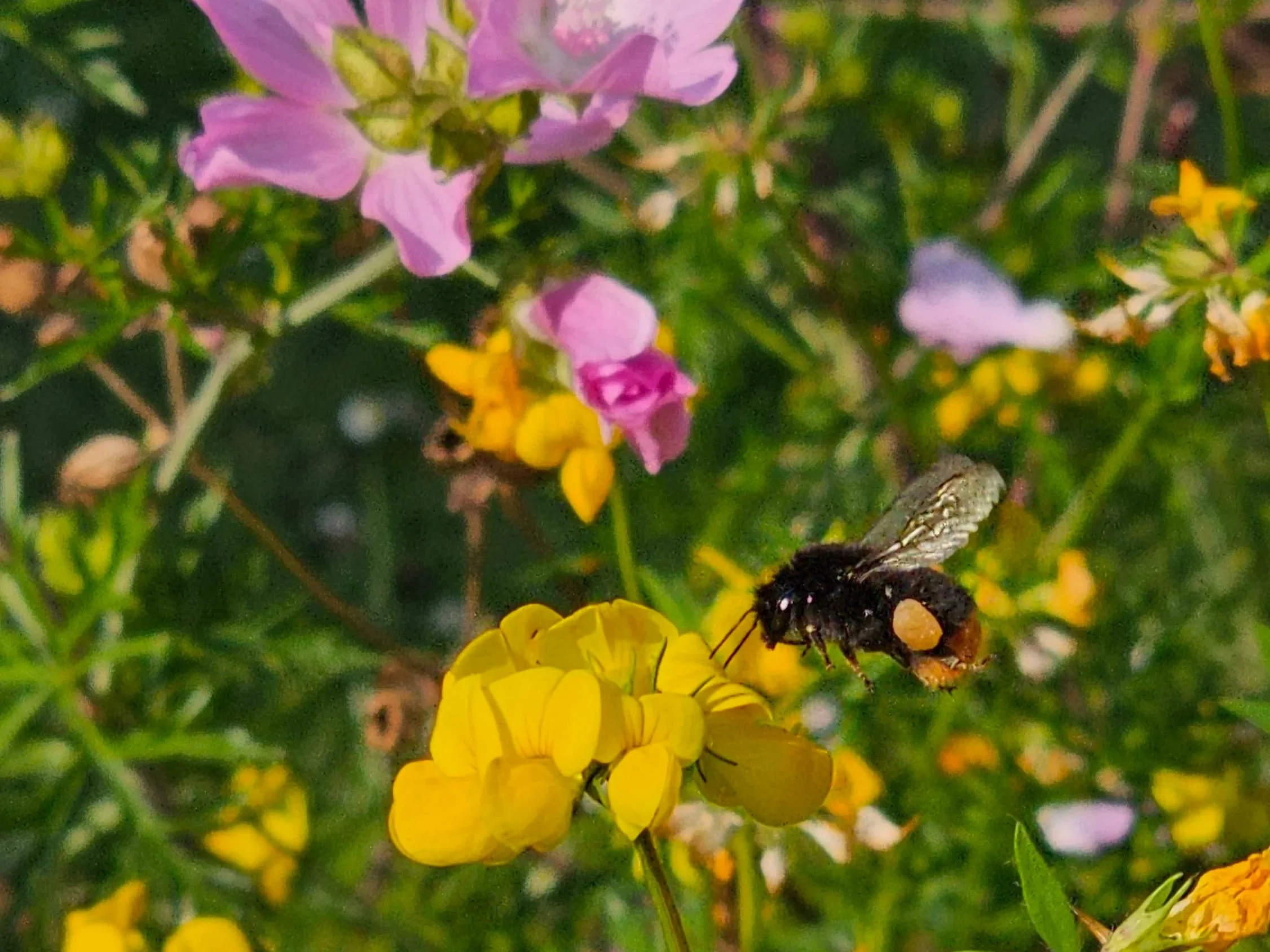
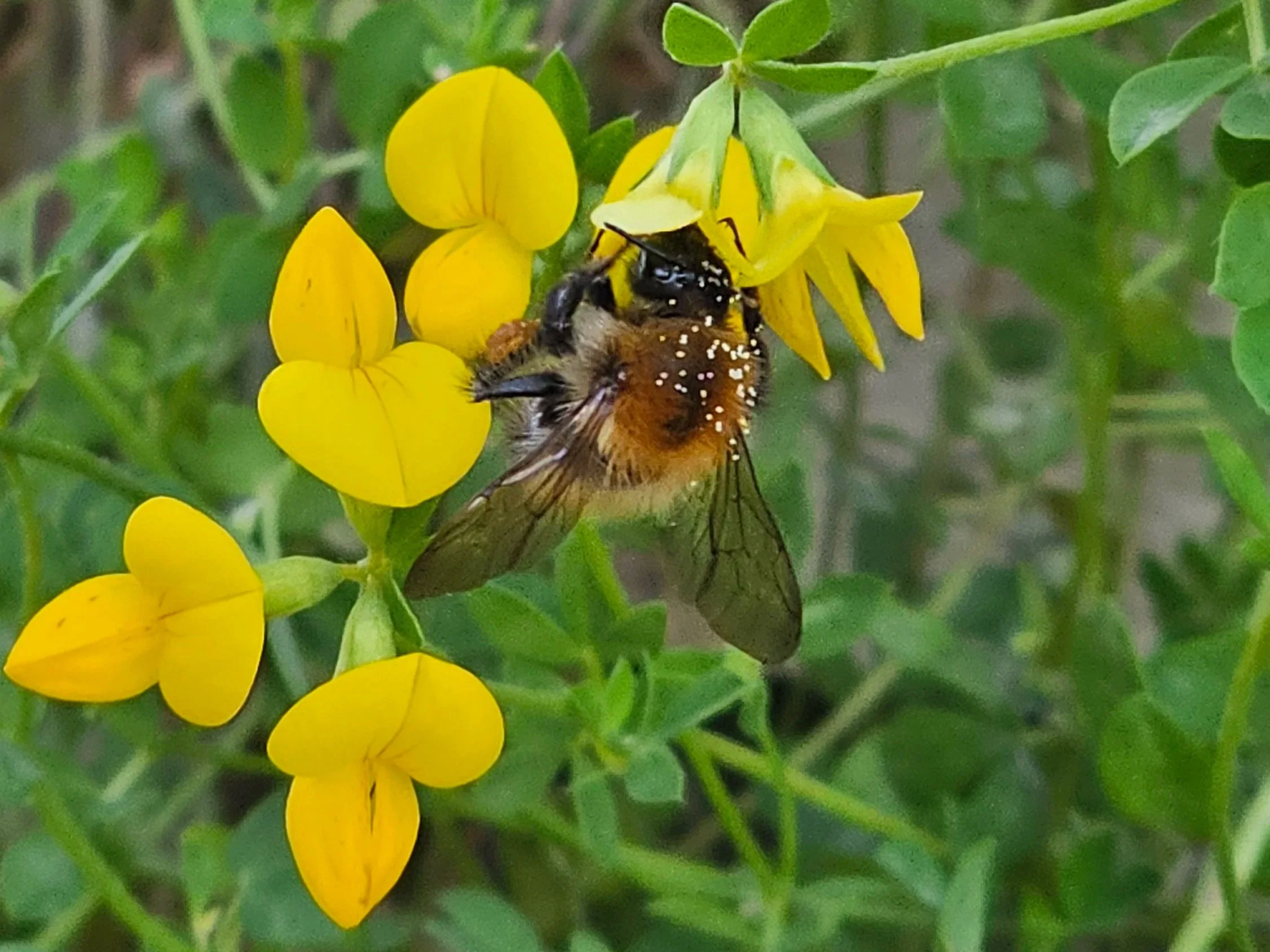
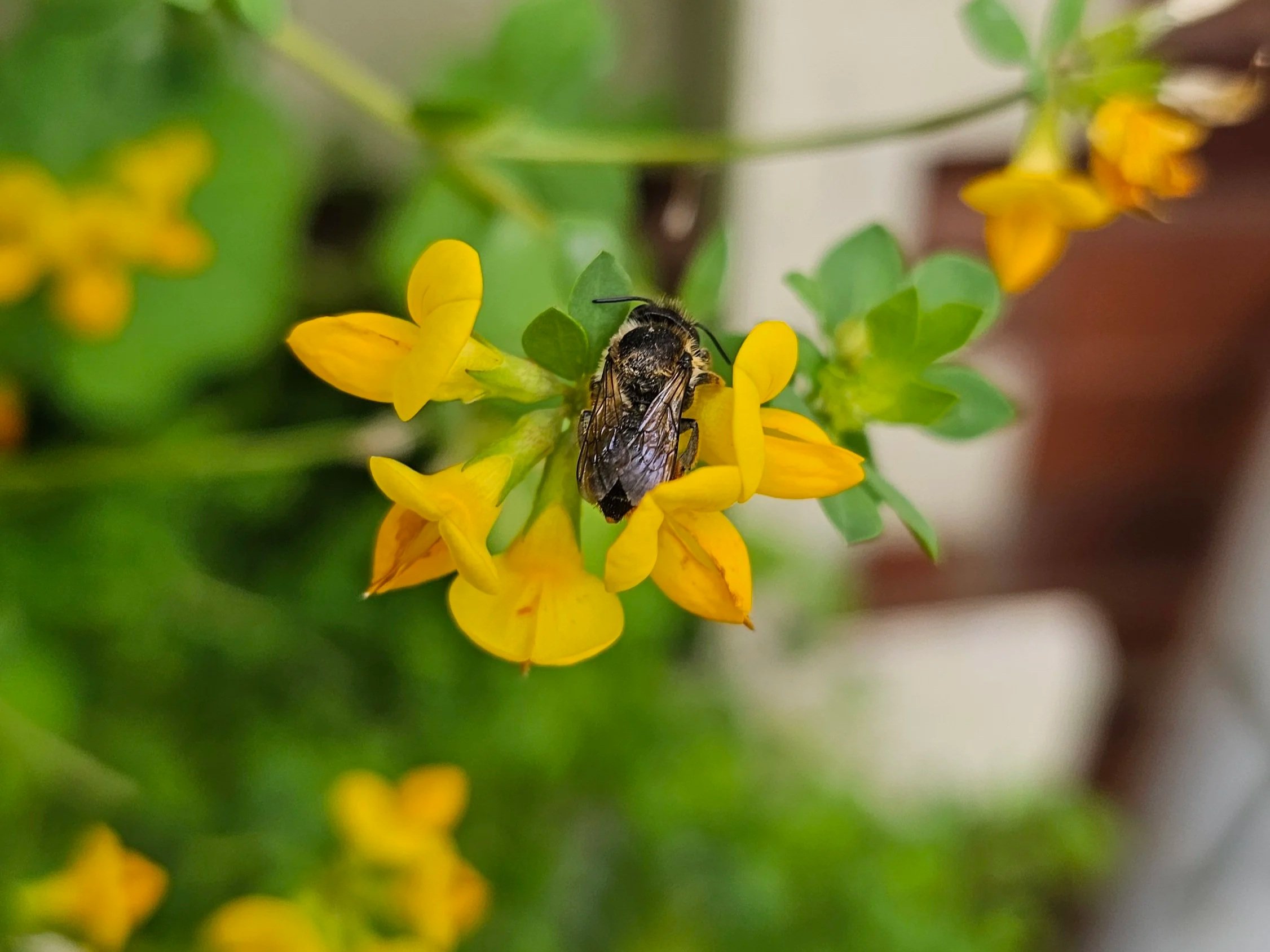
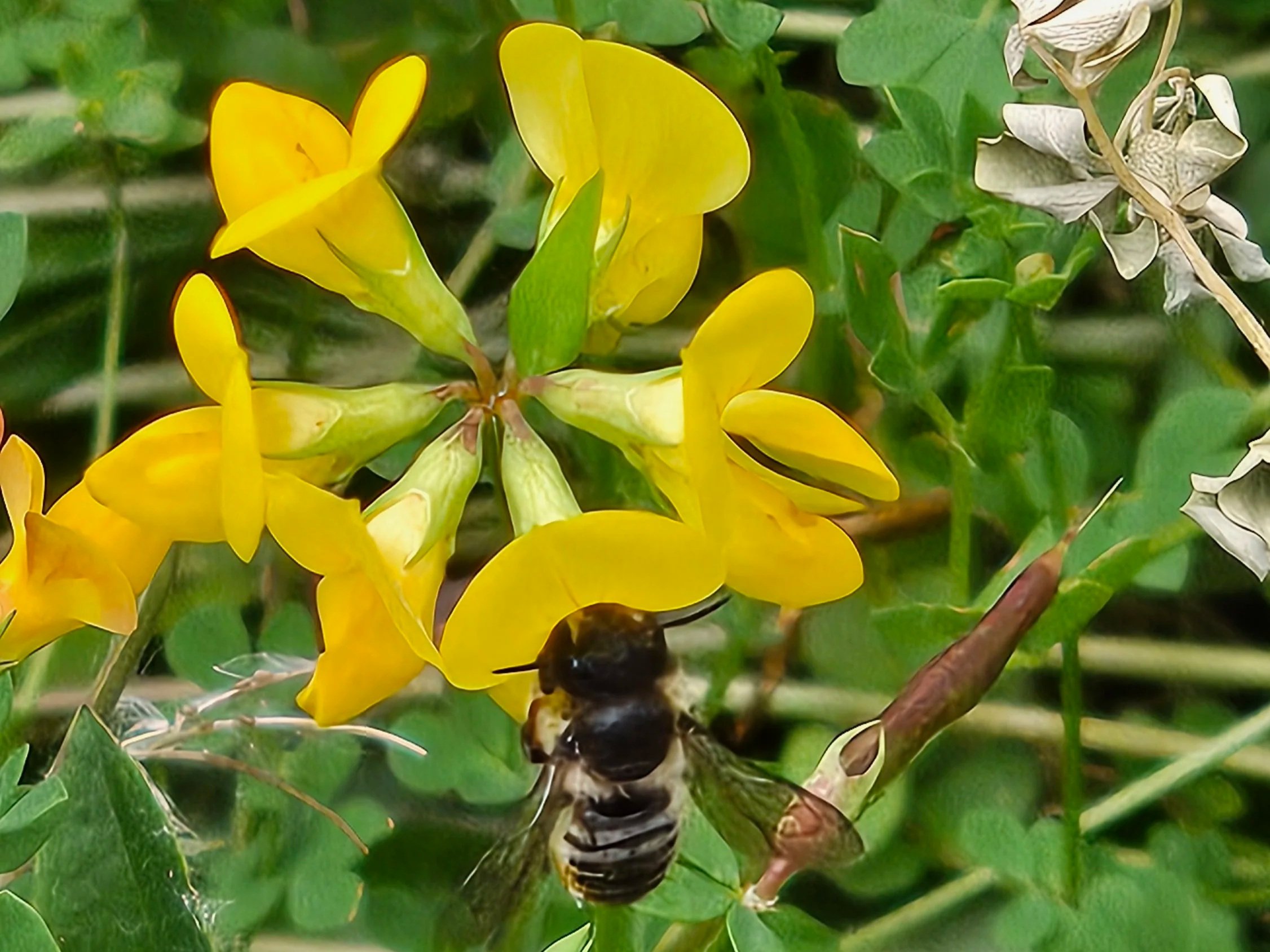
Wildlife: What superstar! Caterpillar food plant for Common Blue and Wood White butterflies, and moths including Six-spot Burnet, Mother Shipton, Burnet Companion and Chalk Carpet. Protein-rich pollen for bumblebees (Red-tailed bumblebees are especially attracted to the flowers), and nectar for butterflies and moths. Favoured by the solitary Wool Carder bee (see One Garden Against the World by Kate Bradbury).
Flowers: June to August
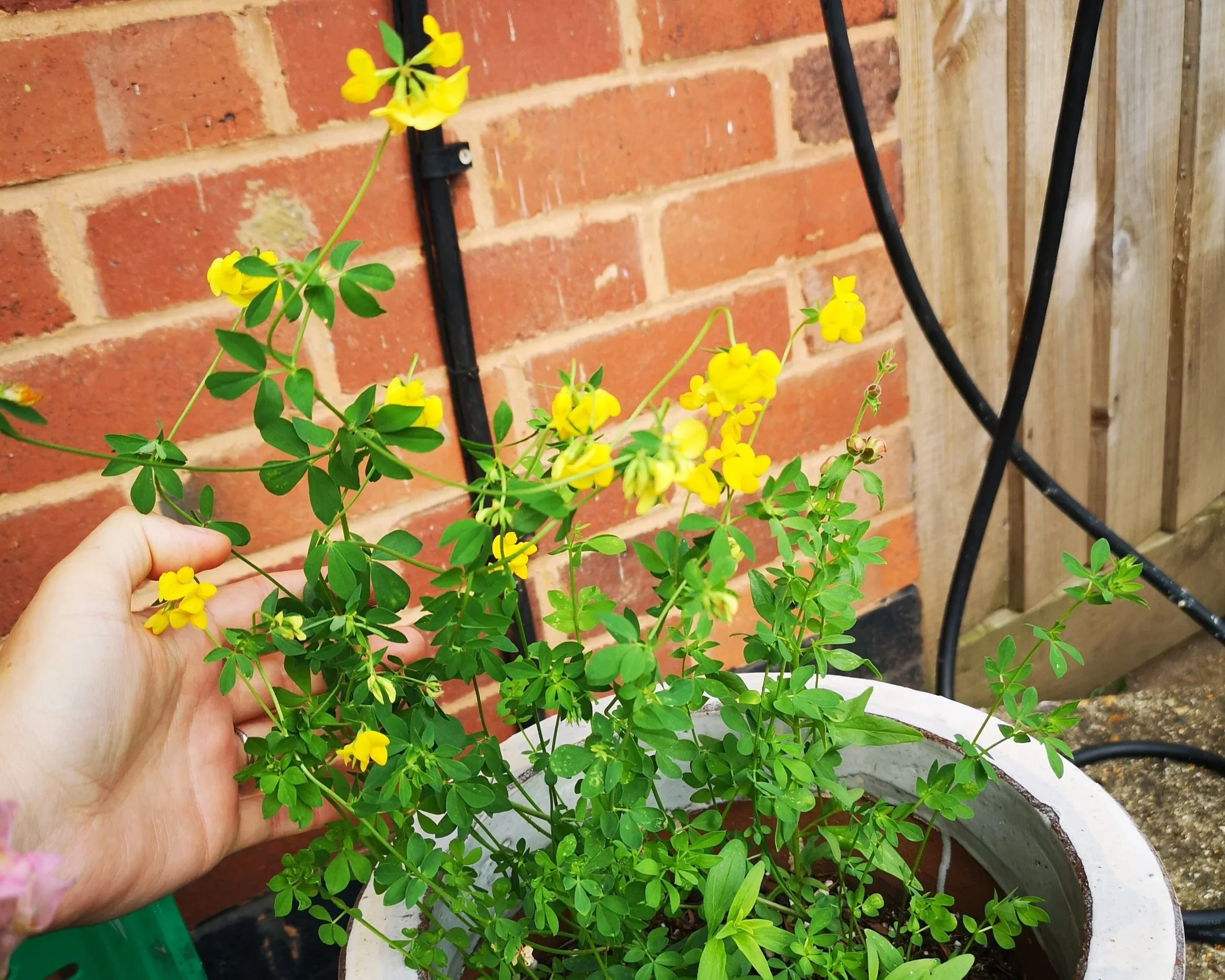
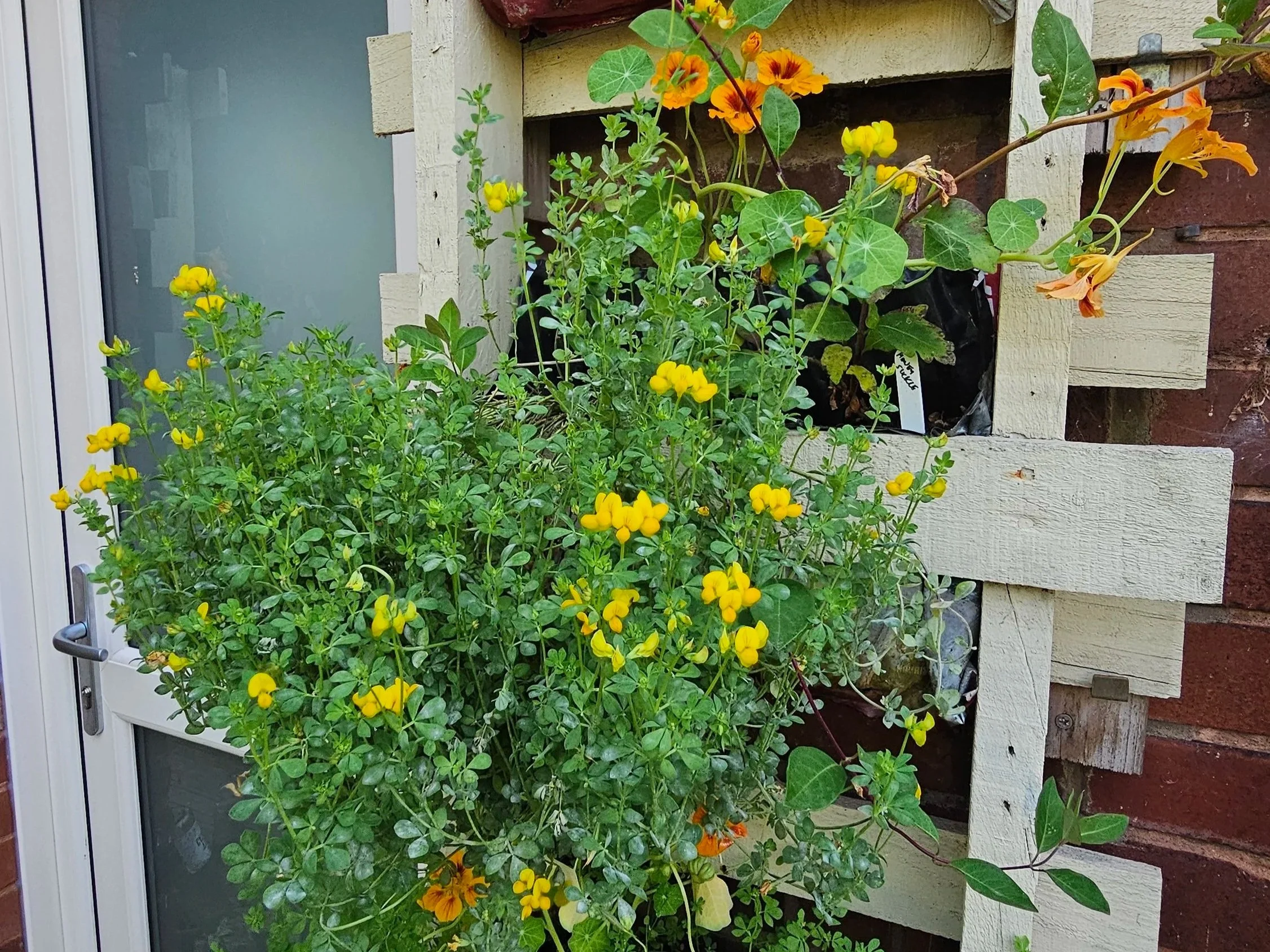
Decorative merit: Bright yellow, pea-like flowers, often tinted with orange and brown. Three-lobed leaves. Gently sprawling stems, forming mats (good for filling gaps) for 30cm or so, becoming more upright near the tip.
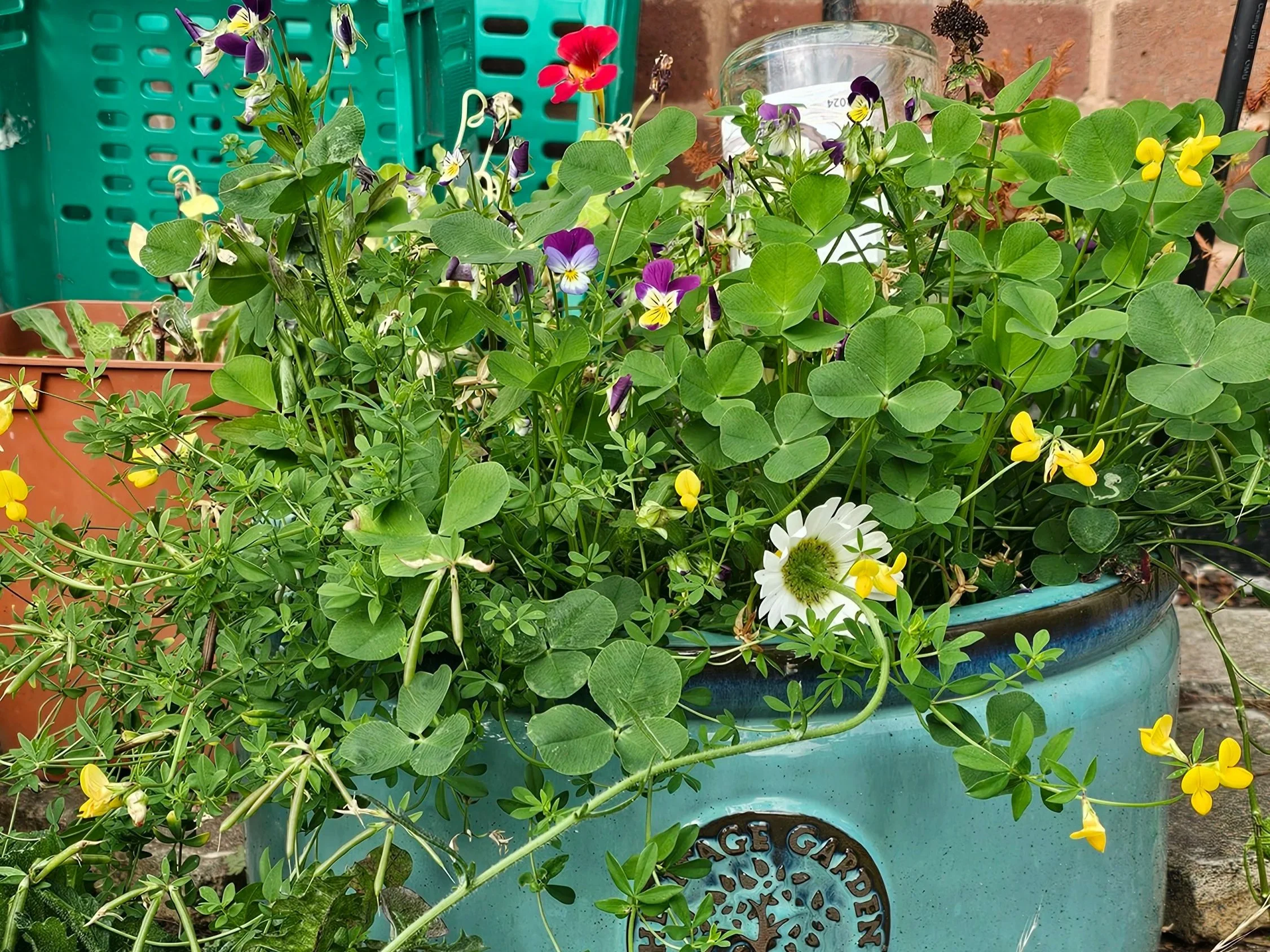
Where: Sun or part-shade. Middle of borders, mini meadows, longer lawn areas (tolerates mowing), containers, and dry gravel gardens where it will be a good companion for lamb’s ear. Good for coastal gardens. Happy in well-drained soil (add grit or sand if you like) / composted plant borders. Long tap-root allows it to draw on deep water supplies. Stems will sprawl when you leave them over winter, so keep in mind if planting near a path or border edge (trim and use as mulch). Try planting close to your pond’s edge to help cover bare sides in summer and attract the Small China-mark moth which uses duckweed as caterpillar food (thank you Kate Bradbury, and the Wildlife Garden Project community for passing on these tips!).
Folklore: One of the plants woven into protective wreaths on midsummer’s night. Victorian nature writer Richard Jefferies described it as ‘a picture of summer’.
Pea family relative of red and white clover.
Donate seeds to Exeter Seed Bank