



Marjoram
Botanical name:Origanum vulgare
Folk names: Joy-of-the-mountains, English marjoram
Type: Perennial
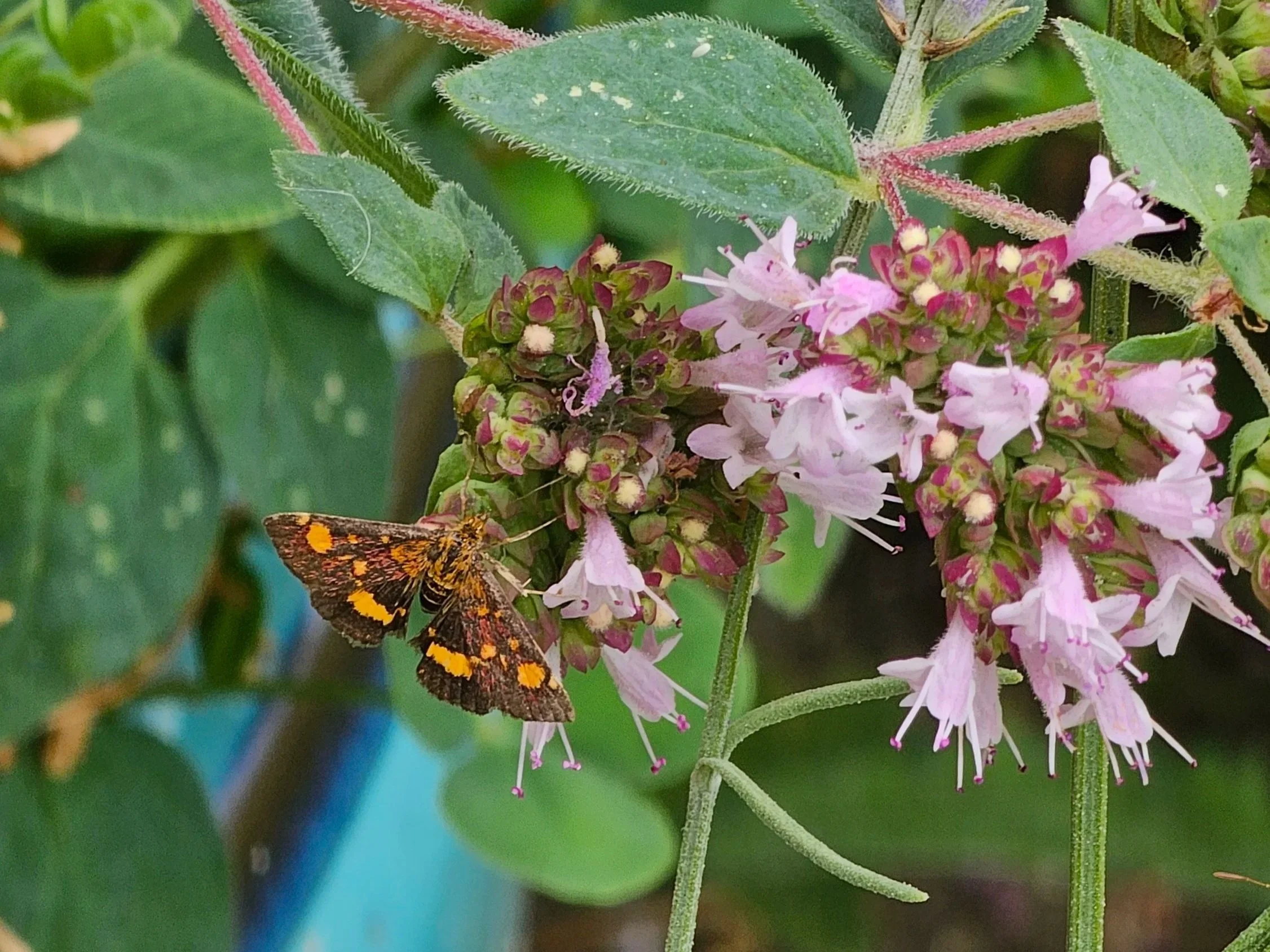
Wildlife: Favoured nectar source for Common Blue, Gatekeeper and Holly Blue butterflies as well as Small tortoiseshell, Peacock and Meadow Brown, bumblebees including the Common Carder bee and solitary bees. Caterpillar food plant for seven types of moth including the Mint moth.
Flowers: July to September
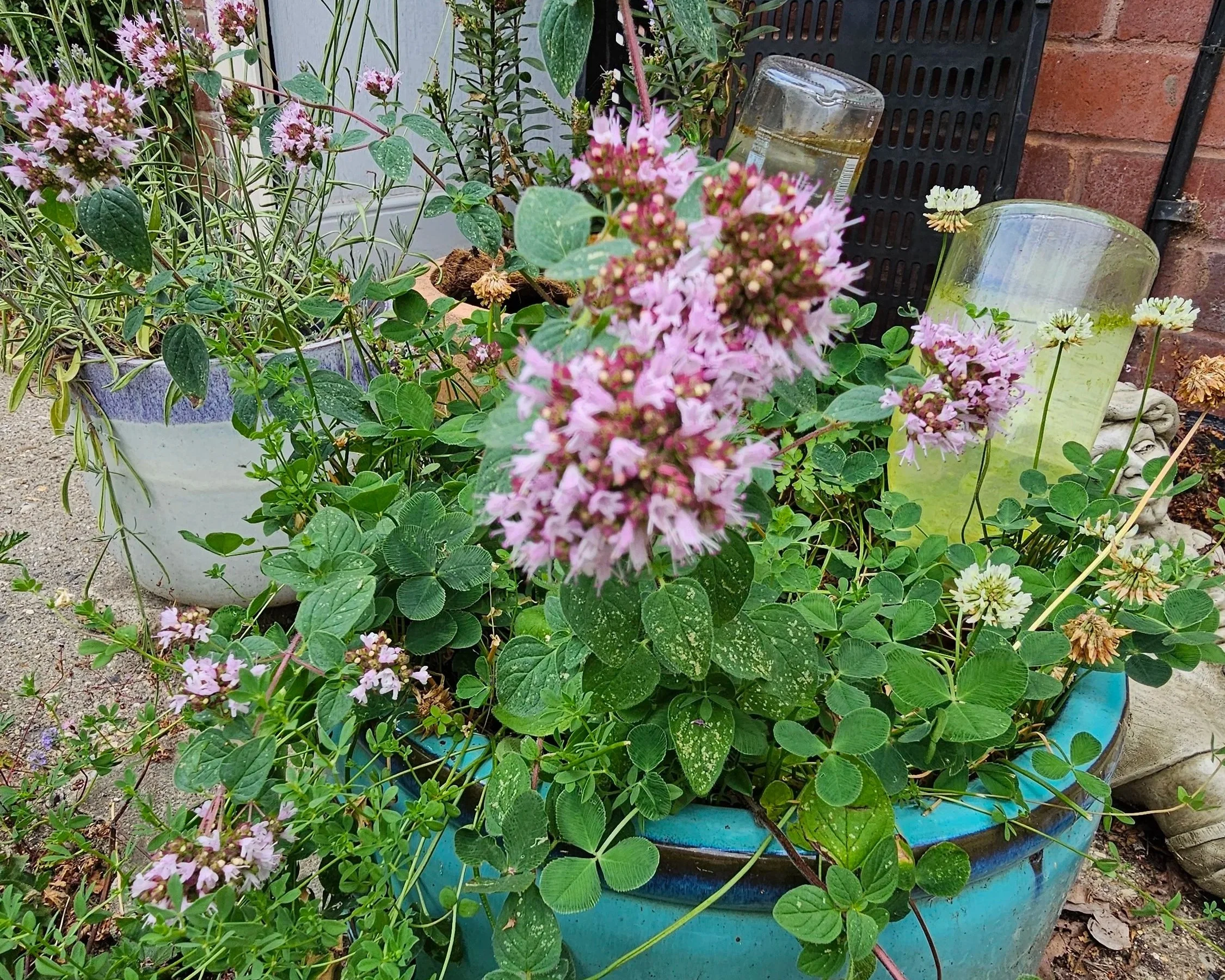
Decorative merit: Tiny, pale mauve flowers, with deeper rose-red buds, clustered on stems. Each flower has four stamens. Leaves are aromatic and opposite on stems, with edges covered in fine hairs. Produces four single-seeded nutlets. 20-90cm high. Low growing, bushy and woody.
Where: Sun. Dry gardens, herb and gravel patches and does well in a container (if you don’t want it to gently spread). Leave seeds over winter as insect habitats then cut to make space for new growth. Plant two or three together in a block to be helpful for feeding butterflies.
Folklore: Do you know any stories about marjoram?
Donate seeds to Exeter Seed Bank